Step 1
Ask and learn
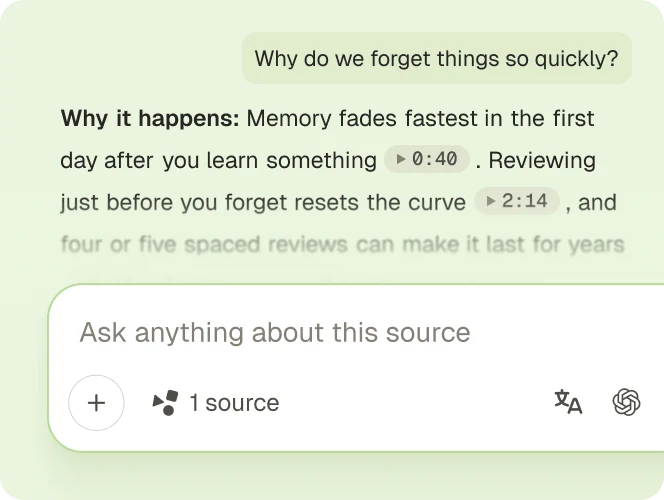
Ask anything about the source. Every answer links to the part it came from.
Upload a recording and get short, clear notes to revise from.
Free, no sign-up.
Or try one of these
Three steps, no account needed.
Upload an audio file of up to 10 minutes, or try one of the samples.
Gistr transcribes the speech and turns it into short notes with the key points.
Copy the notes in one click, or download them to revise offline.
Ask about the source, turn it into slides or quizzes, and practice until it sticks.
Step 1
Ask anything about the source. Every answer links to the part it came from.
Step 2
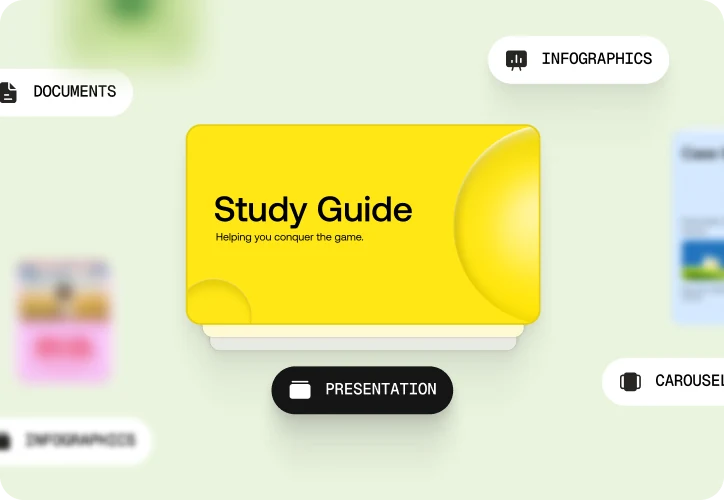
Turn it into notes, slides, docs, infographics or images.
Step 3
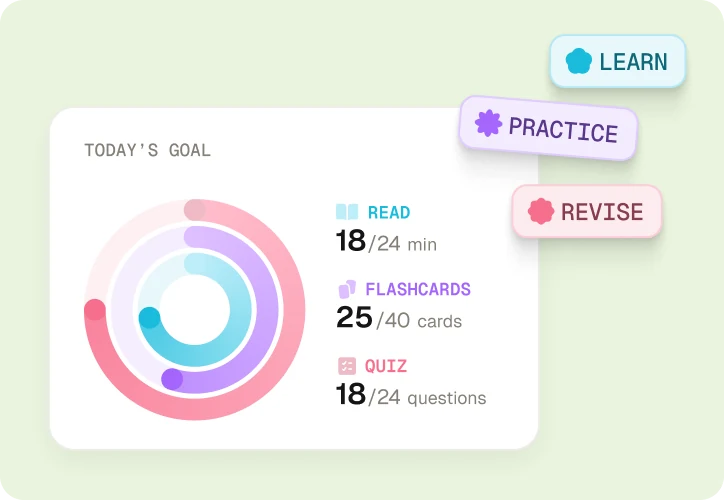
Follow a study plan with reading, flashcards and quizzes that come back before you forget.
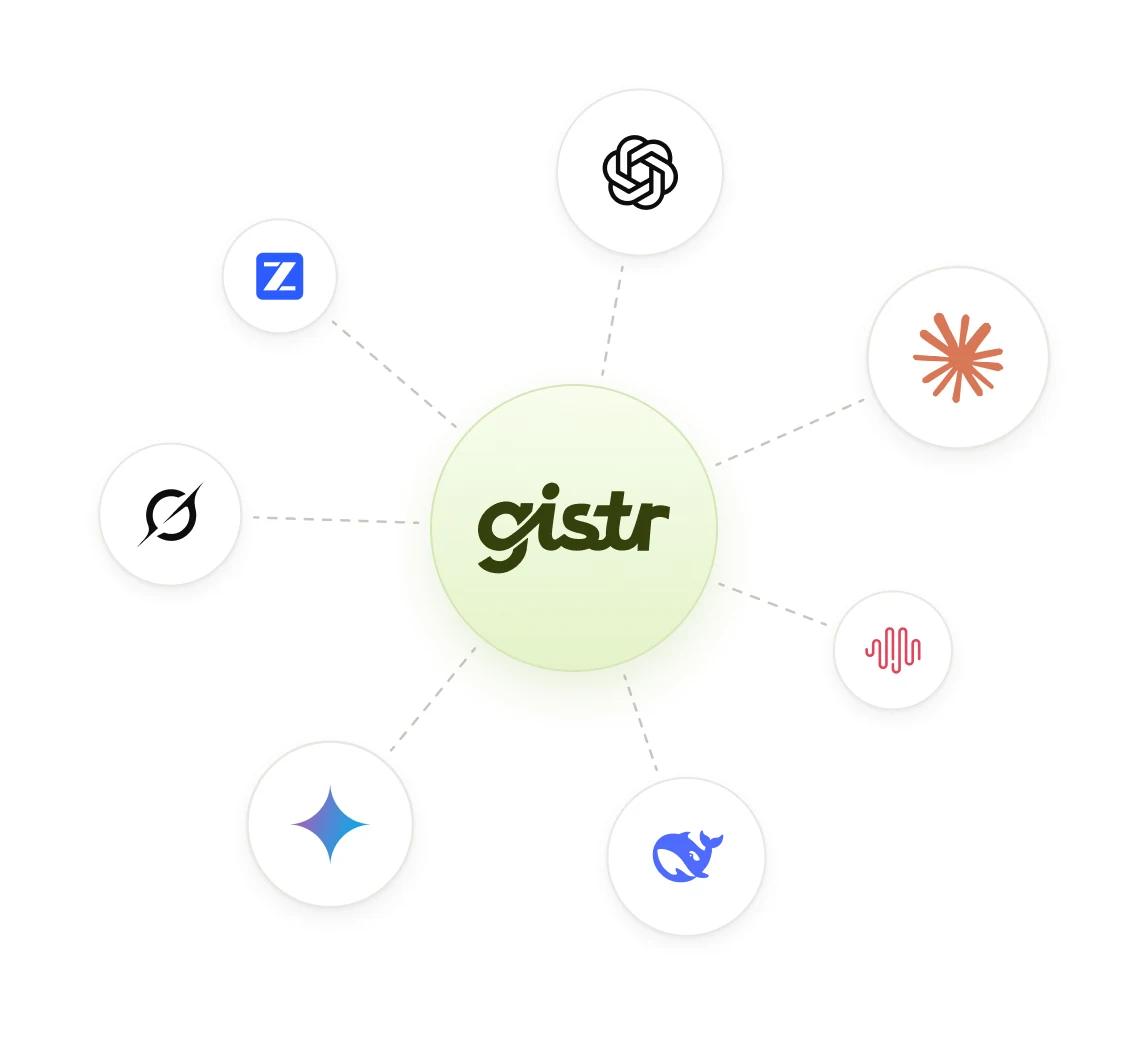
Go deep with a frontier model, or get quick answers from a fast one.
Change the model right from the chat to compare answers or try a new angle.
Use OpenAI, Claude, Gemini, Grok, DeepSeek and more without paying for each.
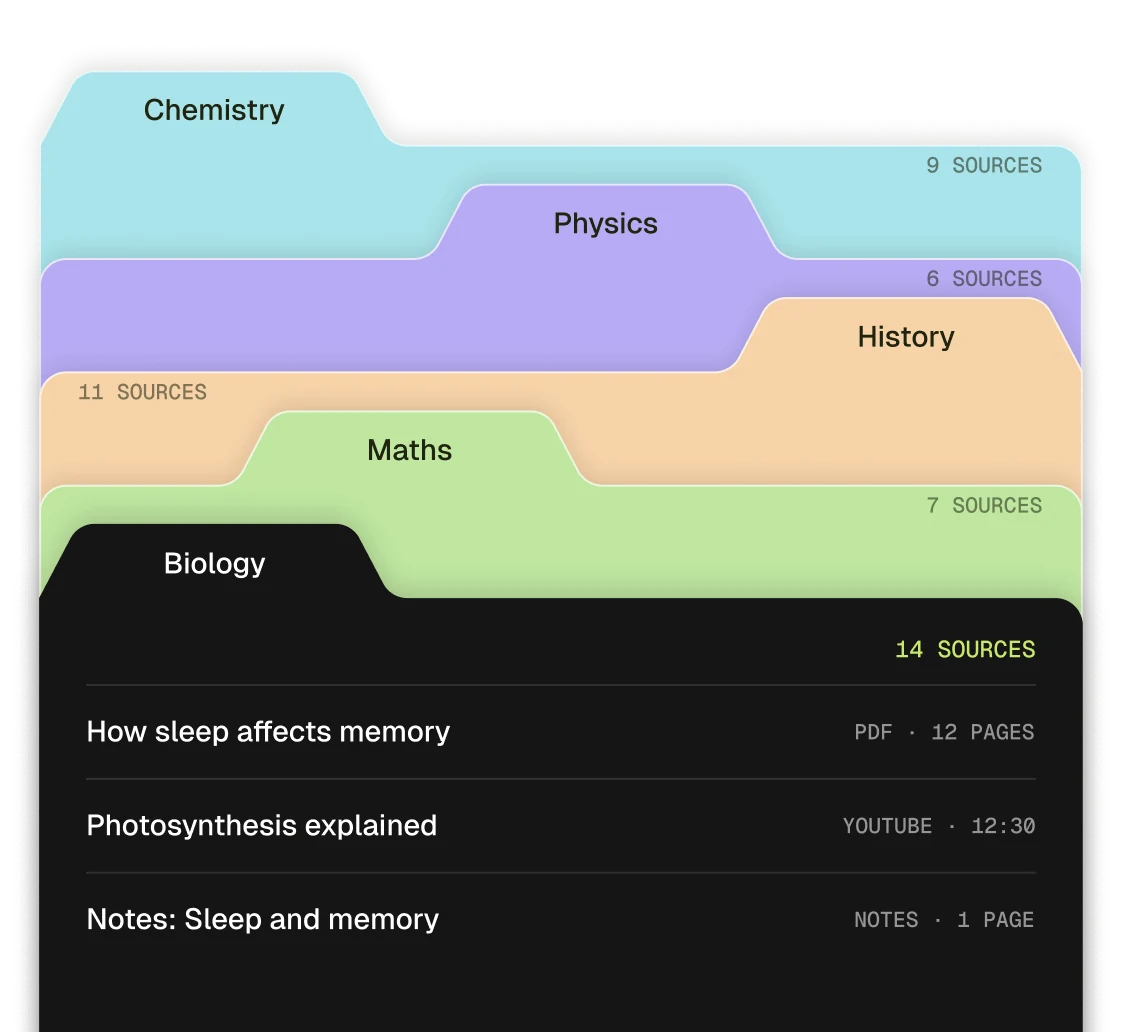
Group notes by subject so related ideas stay together.
PDFs, videos, podcasts and web pages live side by side.
Come back to any saved source with its notes ready.
Quick answers on files, limits and downloading your notes.
Drop your audio file into the box at the top of this page, or browse for it. The audio to notes tool starts at once and gives you short notes with the key points.
Yes, for files of up to 10 minutes and 25 MB, with no account. There is a limit per visitor, shared across the free tools. If you reach it, the page tells you how long to wait.
No. You can upload a file, then copy or download the notes without signing up. You need a free account to ask about the audio, make flashcards or save it to your library.
MP3, M4A, WAV, OGG and WebM. Gistr checks the file itself, so renaming a file does not change its type.
Up to 10 minutes. Over that, the page offers a free account. A free account takes files of up to 10 MB, so a long recording may need compressing or a paid plan.
The file cap is 25 MB, and CD-quality WAV reaches it in about 2.4 minutes. Save the recording as MP3 or M4A. Ten minutes of MP3 fits under the cap.
The key points from the recording, written as short lines that are quick to revise from. The notes come from an AI transcript, so names and technical terms can come out wrong.
Yes. Copy them in one click, or download them as a TXT or Markdown file to revise offline.
Yes. The audio to text tool gives you every line with timestamps.
Gistr holds the file in memory during the run and does not save the file itself. The audio goes to a third-party transcription provider, and a third-party AI model writes the notes. Those providers’ own data policies apply. Gistr keeps the notes for up to 30 days, matched to a fingerprint of the file, so the same file gets the same result faster.
Gistr is an AI knowledge companion that turns YouTube videos, podcasts, articles and PDFs into knowledge you keep. Ask questions and get answers that cite the exact source, make notes, slides and flashcards, and keep everything in one searchable library.
Get transcripts and notes from your other audio, podcasts and text.